
This guide answers: how calorie burn works — METs, EPOC and the factors involved.
Looking for how many calories 30+ specific activities burn? Read Calories Burned by Exercise: 30+ Activities Compared.
How Calorie Burn Works: METs, Factors, and the Afterburn Effect
Understanding how many calories you burn during different activities is essential for weight management. Learn the science of METs, EPOC, and personalized calorie burn.
The Science of Calorie Burn: METs Explained
Calories are units of energy, and your body burns them continuously — not just during exercise. Understanding the science behind calorie burn starts with Metabolic Equivalents (METs) — the standardized measurement system used by exercise scientists worldwide.
Your BMR accounts for 60-70% of daily calories and covers basic functions like breathing, circulation, and cell repair. The thermic effect of food uses about 10% of calories for digestion and nutrient processing. Physical activity — including both exercise and daily movement — accounts for the remaining 20-30%.
During exercise, your muscles require additional energy to contract. The harder you work, the more calories you burn. Factors like exercise intensity, duration, your body weight, and fitness level all influence how many calories you expend during any given activity.
Key Takeaway
Factors Affecting Calorie Burn
Body weight is one of the biggest factors. Larger bodies require more energy to move, so a heavier person burns more calories doing the same activity as a lighter person. This is why calorie burn calculations always factor in your weight.
Exercise intensity dramatically impacts calorie burn. Running burns significantly more calories per minute than walking. High-intensity interval training (HIIT) can burn more calories in less time than steady-state cardio, plus it creates an "afterburn effect" where elevated calorie burning continues after you stop exercising.
Duration matters too, but there are diminishing returns. A 30-minute workout burns roughly half what a 60-minute workout does, but the first 30 minutes are often the most efficient for time-pressed exercisers. Finding the right balance between intensity and duration is key.
Calculating Calories Burned
The standard method for estimating calorie burn uses Metabolic Equivalents (METs). One MET represents the energy cost of sitting quietly — about 1 calorie per kilogram of body weight per hour. Activities are assigned MET values based on their intensity relative to rest.
Walking at a moderate pace has a MET value around 3.5, meaning it burns 3.5 times more calories than resting. Vigorous running might have a MET of 10 or higher. The formula is: Calories = METs × weight (kg) × duration (hours).
For quick, accurate calculations, use our Calorie Burn Calculator. It covers hundreds of activities from walking and running to sports, household chores, and recreational activities.

Best Exercises for Burning Calories
Running and jogging are among the most effective calorie burners. A 70 kg person running at a moderate pace burns approximately 600-800 calories per hour. Sprint intervals can push this even higher while reducing workout time.
Cycling, both outdoor and indoor, offers excellent calorie burn with lower impact on joints. Depending on intensity, cycling burns 400-1000 calories per hour. Spin classes and outdoor hill cycling sit at the higher end of this range.
Swimming provides a full-body workout while being gentle on joints. Vigorous swimming burns 500-700 calories per hour. Rowing, whether on water or machine, similarly engages multiple muscle groups for high calorie expenditure.
Strength training burns fewer calories during the workout itself — typically 200-400 calories per hour — but builds muscle that increases your metabolic rate 24/7. Don't overlook it for long-term calorie management.

The Afterburn Effect
Excess Post-Exercise Oxygen Consumption (EPOC), commonly called the "afterburn effect," refers to elevated calorie burning that continues after your workout ends. Your body uses extra energy to restore itself to its pre-exercise state.
High-intensity exercise produces greater EPOC. A challenging HIIT session or heavy strength training can elevate your metabolism for hours afterward. Studies show this can add 50-200 extra calories burned beyond the workout itself.
While afterburn is real, don't overestimate its impact. The bulk of your calorie burn still comes during the workout itself. Consider EPOC a bonus rather than the main attraction of high-intensity training.
Tracking Your Calorie Burn
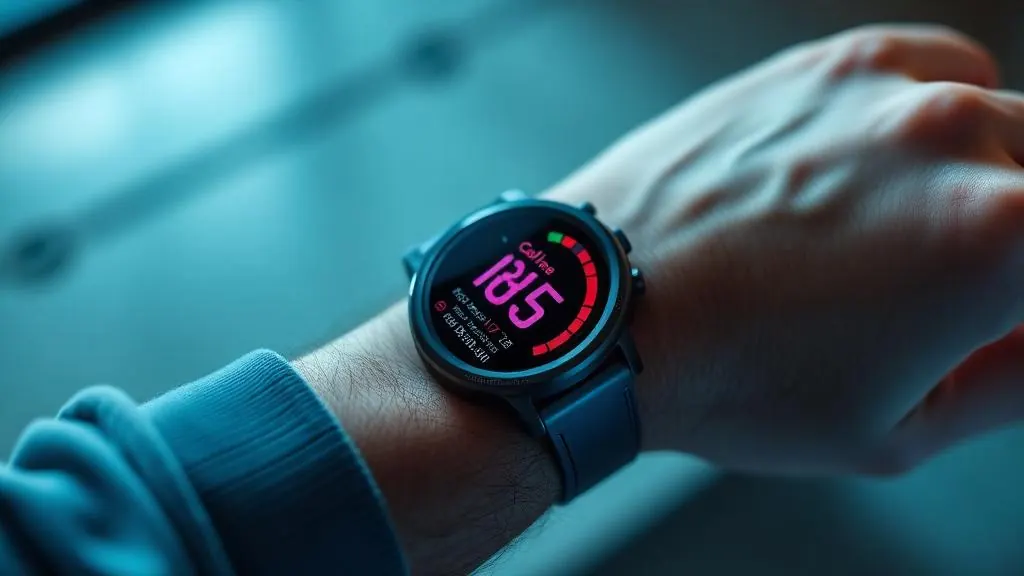
Fitness trackers and smartwatches estimate calorie burn using heart rate, movement data, and personal metrics. While convenient, these devices can be off by 20-30% in either direction. Use them for trends rather than exact numbers.
Heart rate provides a reasonable indicator of intensity. Higher heart rate generally means higher calorie burn. Many devices use heart rate zones to categorize effort levels and estimate energy expenditure.
The most reliable approach combines multiple data sources. Use a fitness tracker for trends, a calorie calculator for activity-specific estimates, and monitor your actual results (weight, body composition) to calibrate your expectations.
Practical Applications
For weight loss, create a modest calorie deficit through a combination of diet and exercise. A 500-calorie daily deficit (through eating less and/or exercising more) produces approximately 0.5 kg of fat loss per week.
If you're trying to maintain weight while building fitness, match your calorie intake to your expenditure. On high-activity days, eat more to fuel performance and recovery.
For athletes and serious trainers, understanding calorie burn helps with fueling strategies. Long endurance sessions may require mid-workout nutrition to maintain performance, while shorter intense workouts can often be done fasted.
Conclusion
Knowing how many calories you burn during exercise gives you powerful information for managing your weight and optimizing your fitness routine. While estimates aren't perfect, they provide a useful framework for planning your activity and nutrition.
Focus on consistency rather than precision. Regular exercise, combined with awareness of your calorie balance using our Calorie Calculator, will produce results over time. Track your body fat percentage to see real changes in your composition. Use calorie burn data to inform your choices, not obsess over exact numbers.
🏋️ Which exercises burn the most calories?
Our activity-by-activity calorie burn breakdown ranks 30+ exercises with real numbers — find the most efficient workouts for your schedule.
📖 Calorie burn is just one variable
See how exercise fits into TDEE, deficit, and body composition in our Ultimate Guide to Body Health Metrics.
Frequently Asked Questions
Related Calculators
Related Articles

Calories Burned by Exercise: 30+ Activities Compared
How many calories do you burn exercising? Compare 30+ activities per 30 minutes, see what changes your personal burn, and calculate the number for your own weight.

Understanding Your BMI and What It Really Means
Your Body Mass Index (BMI) is one of the most commonly used health metrics, but what does it actually tell you? Learn how to interpret your BMI results and understand its limitations.

How to Calculate Your Daily Calorie Needs (TDEE)
Your TDEE is the total number of calories you burn each day. Understanding this number is crucial for weight loss, muscle gain, or maintaining your current weight.