9 Body Health Metrics That Actually Matter (2026 Guide)
Stop guessing and start measuring. This comprehensive pillar guide connects every health metric and calculator on SnapBodyCalc into a single actionable framework for lasting results.
Introduction: Why Health Metrics Matter
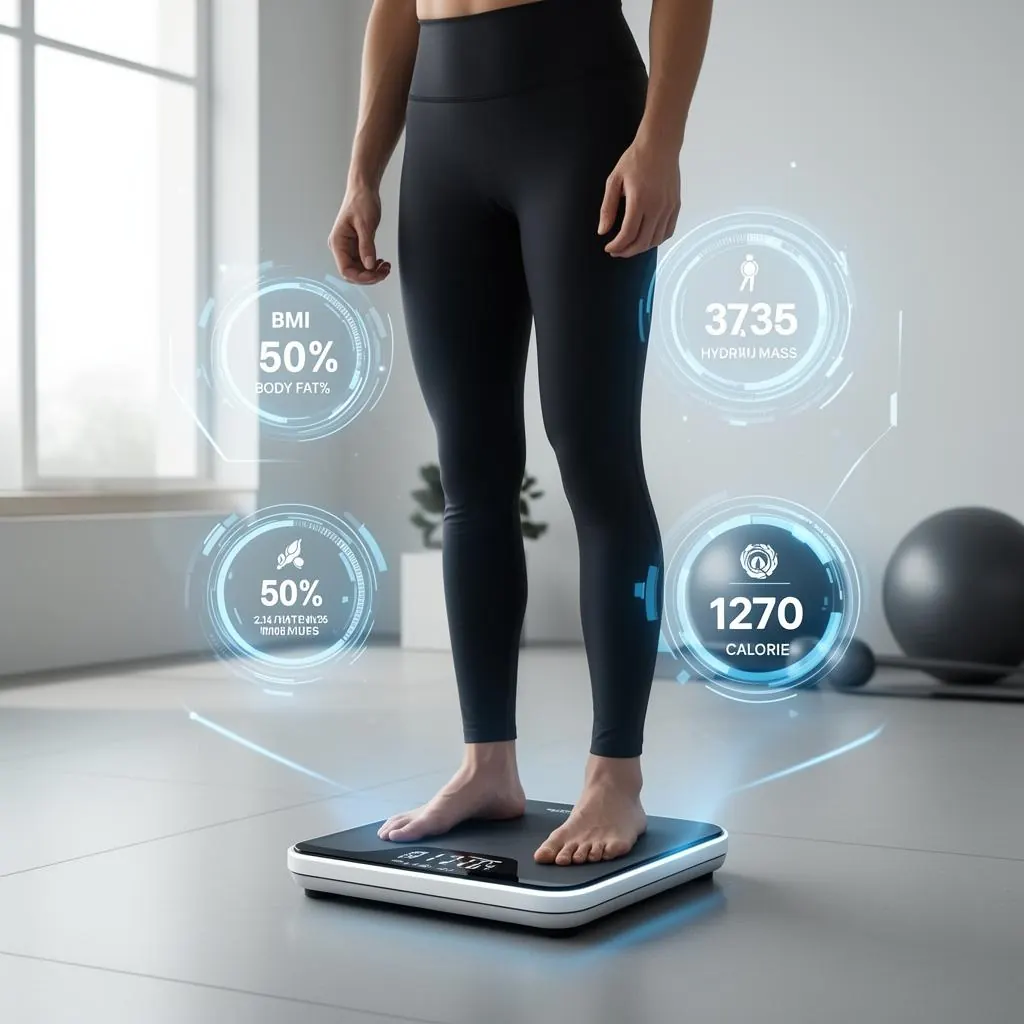
Most people step on a bathroom scale, see a number, and make sweeping conclusions about their health. But your body weight alone tells you almost nothing about what's happening inside. Are you carrying too much visceral fat? Is your muscle mass declining? Are you eating enough — or too much — for your goals?
The truth is that health is multi-dimensional. A single metric can never capture the full picture. That's exactly why we built SnapBodyCalc — to give you a complete suite of free, private health calculators that work together to paint an accurate picture of your physical well-being.
In this comprehensive guide, we'll walk through every major health metric — from BMI and body fat percentage to TDEE, macronutrients, hydration, and biological age. You'll learn what each metric means, how to measure it, how they connect to each other, and most importantly, how to use them to make real progress toward your health and fitness goals.
Key Takeaway
Understanding Body Composition
Body composition is the proportion of fat, muscle, bone, and water in your body. Two people can weigh exactly the same but have radically different body compositions — and therefore very different health profiles.
Think of your body as having two main compartments: fat mass (stored body fat) and lean body mass (everything else — muscles, bones, organs, water). The ratio between these two determines not just how you look, but how your body functions, how many calories you burn at rest, and your risk for chronic diseases.
Understanding body composition is the foundation for every other metric we'll discuss. Whether your goal is fat loss, muscle gain, athletic performance, or simply better health, you need to know where you're starting from. The following sections break down each component and give you the tools to measure and improve them.

BMI: The Starting Point
Body Mass Index (BMI) is the most widely used health screening tool in the world. It's calculated by dividing your weight in kilograms by your height in meters squared (kg/m²). The result places you in one of four categories: underweight (below 18.5), normal weight (18.5–24.9), overweight (25–29.9), or obese (30+).
BMI is useful as a population-level screening tool — it's quick, free, and requires no equipment. However, it has significant limitations. It doesn't distinguish between muscle and fat, so a muscular athlete might be classified as "overweight" despite having excellent health markers. It also doesn't account for where you carry your weight, which matters enormously for disease risk.
That said, BMI remains a valuable starting point. If your BMI is outside the normal range, it's a signal to investigate further with more detailed metrics like body fat percentage and waist-hip ratio. For a deeper understanding of what your BMI number means, read our complete BMI guide.
Body Fat Percentage: Beyond the Scale
If BMI is the starting point, body fat percentage is where things get serious. This metric tells you exactly how much of your total weight comes from stored fat versus lean tissue. Healthy ranges are typically 10–20% for men and 18–28% for women, though athletes may fall below these ranges.
There are several methods to estimate body fat. The Navy method uses neck and waist measurements (plus hip measurements for women) and is surprisingly accurate for most people. Our body fat calculator uses this approach, making it easy to get a quick estimate without specialized equipment.
Body fat percentage is directly connected to health risks. Excess body fat — especially visceral fat around the organs — increases your risk of heart disease, type 2 diabetes, and certain cancers. But too little body fat is also dangerous, particularly for women, as it can disrupt hormonal function and bone health. For a complete breakdown of measurement methods and optimization strategies, explore our body fat percentage guide.
Lean Body Mass: Your Metabolic Engine
Lean Body Mass (LBM) is everything in your body that isn't fat — muscles, bones, organs, blood, and water. It's arguably the most important metric for long-term health because lean mass is what drives your metabolism. The more lean mass you have, the more calories your body burns at rest.
This is why preserving lean mass during weight loss is critical. Crash diets that create extreme calorie deficits often cause significant muscle loss, which slows your metabolism and makes weight regain almost inevitable. A smarter approach combines a moderate calorie deficit with adequate protein intake and resistance training.
Your LBM also determines your protein needs, your ideal calorie intake, and how your body responds to training. Learn how to calculate and optimize yours in our lean body mass guide, or jump straight to the LBM calculator.
Waist-Hip Ratio: Hidden Health Risks
Your waist-hip ratio (WHR) measures where you carry your fat — and this matters more than most people realize. Abdominal fat (an "apple" body shape) is far more dangerous than fat stored in the hips and thighs (a "pear" shape) because it wraps around vital organs and promotes chronic inflammation.
A WHR below 0.90 for men and below 0.80 for women is considered low risk. Measuring is simple: divide your waist circumference by your hip circumference. Our waist-hip ratio calculator does the math instantly and tells you your risk category. For the full picture on why this metric matters, see our waist-hip ratio guide.
Finding Your Ideal Weight
"What should I weigh?" is one of the most common health questions. The answer isn't a single number — it's a range that depends on your height, frame size, muscle mass, and personal goals. Several established formulas (Devine, Hamwi, Robinson, Miller) calculate ideal weight based on height, and each gives slightly different results.
Rather than obsessing over one formula, our ideal weight calculator shows you results from all major methods so you can identify a realistic target range. Combine this with your body fat percentage and BMI for the most complete picture. Dive deeper into the science of each formula in our ideal weight formulas article.
Nutrition and Energy Balance
Now that you understand your body's composition, let's talk about what fuels it. Nutrition is the single most controllable factor in your health equation. Whether you want to lose fat, build muscle, maintain weight, or simply feel more energetic, it all comes down to understanding energy balance and nutrient quality.
Energy balance is straightforward in concept: if you consume more calories than you burn, you gain weight; if you consume fewer, you lose weight. But the details — how much to eat, what to eat, and when — are where most people get lost. The following sections break down the key nutritional metrics you need to master.
TDEE: Your Daily Calorie Blueprint
Your Total Daily Energy Expenditure (TDEE) is the total number of calories your body burns in a day. It's calculated by multiplying your Basal Metabolic Rate (BMR) — the calories you burn at complete rest — by an activity factor that accounts for your daily movement and exercise.
TDEE is the single most important number for weight management. It's your maintenance level: eat at your TDEE and your weight stays stable. Eat below it, and you lose weight. Eat above it, and you gain. The Mifflin-St Jeor equation, which our TDEE calculator uses, is considered the gold standard for estimating BMR.
Understanding your TDEE also helps you set realistic timelines. A 500-calorie daily deficit below TDEE produces roughly 0.45 kg of fat loss per week — the widely recommended safe rate. For a deeper understanding, read our TDEE simplified guide or the original TDEE calculation article.
Macronutrients: Protein, Carbs, and Fat
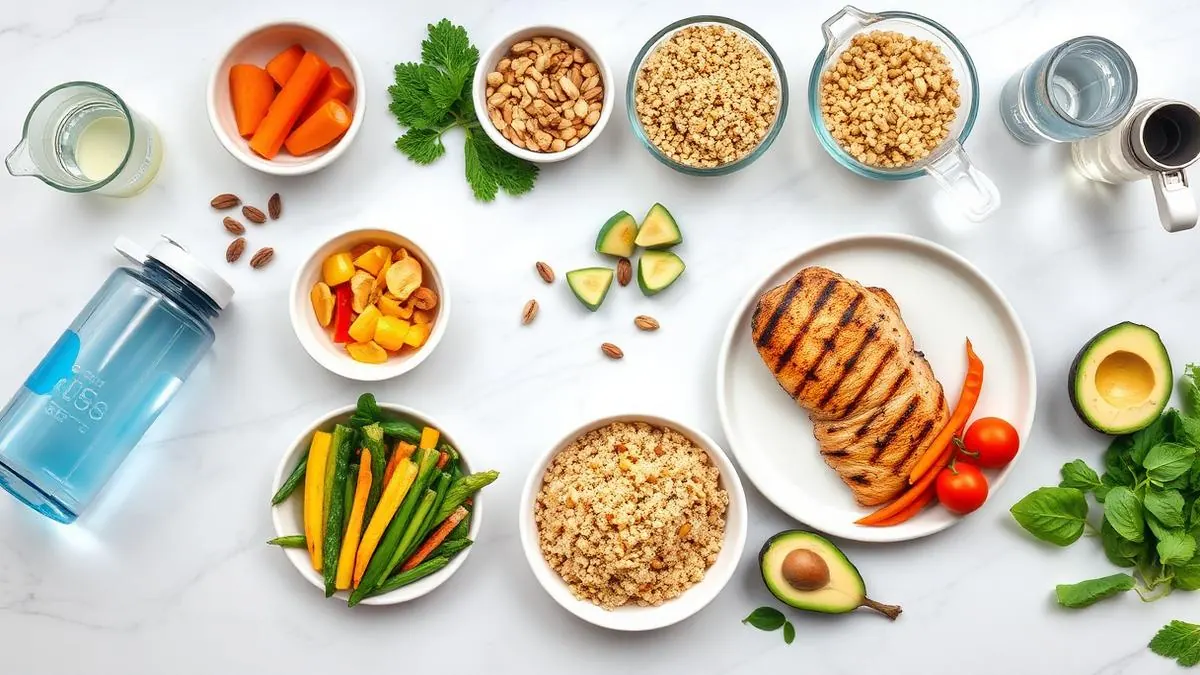
Calories tell you how much to eat; macronutrients tell you what to eat. The three macros — protein, carbohydrates, and fat — each serve distinct functions in your body:
- Protein (4 cal/g): Builds and repairs muscle, supports immune function, promotes satiety
- Carbohydrates (4 cal/g): Primary energy source for brain and intense exercise
- Fat (9 cal/g): Hormone production, vitamin absorption, cell membrane integrity
The optimal macro split depends on your goals. For fat loss, a higher protein ratio (around 30–40% of calories) helps preserve muscle and control hunger. For endurance athletes, higher carbohydrates fuel performance. For general health, a balanced approach of roughly 30% protein, 40% carbs, and 30% fat works well for most people.
Use our macro calculator to get personalized targets based on your TDEE and goals. For a complete breakdown, read Macros Made Simple.
Protein: The Building Block of Fitness
Protein deserves its own section because it's the most critical macronutrient for body composition. Whether you're trying to lose fat, build muscle, or maintain your physique, adequate protein intake is non-negotiable.
Research consistently shows that 1.6–2.2 grams of protein per kilogram of body weight is optimal for muscle building and preservation. During a calorie deficit, protein needs increase because your body is more likely to break down muscle for energy. This is why our protein calculator adjusts recommendations based on your activity level and goals.
Protein also has the highest thermic effect of any macronutrient — your body burns 20–30% of protein calories just digesting it, compared to 5–10% for carbs and 0–3% for fat. This makes high-protein diets naturally more effective for fat loss. Learn more in our protein intake guide and the daily protein article.

Calorie Deficit: The Science of Fat Loss
A calorie deficit — consuming fewer calories than your body burns — is the only proven mechanism for fat loss. No supplement, detox, or meal timing strategy can override this fundamental law of thermodynamics.
The key is creating a sustainable deficit. Too large (over 750 calories below TDEE) and you risk muscle loss, metabolic adaptation, hormonal disruption, and eventual bingeing. Too small, and progress stalls. For most people, reducing intake by 300–500 calories per day results in roughly 0.25–0.5 kg of weekly fat loss while maintaining lean tissue.
To calculate your deficit, you first need to know your TDEE. Then subtract 300–500 calories to get your daily target. Pair this with adequate protein and balanced macros to protect your muscle mass. For the complete science, read our calorie deficit guide.
Exercise and Calorie Burn
Exercise amplifies every other health metric we've discussed. It burns calories (increasing your TDEE), builds lean mass (boosting metabolism), reduces body fat, improves your waist-hip ratio, and can even lower your biological age.
Different activities burn vastly different amounts of calories. Running at 8 km/h burns roughly 400–600 calories per hour, while walking burns 200–300. Strength training burns fewer calories during the session but creates an "afterburn effect" (excess post-exercise oxygen consumption) that elevates your metabolic rate for hours afterward.
The best exercise plan combines resistance training (2–4 sessions per week for lean mass) with cardiovascular exercise (2–3 sessions for heart health and calorie burn). Use our calorie burn calculator to estimate how many calories specific activities burn for your body weight. For a full breakdown by activity type, see our calorie burn guide and the exercise calorie guide.
Hydration: The Overlooked Essential
Water is involved in virtually every biological process — digestion, nutrient transport, temperature regulation, joint lubrication, and waste removal. Even mild dehydration (1–2% of body weight) can reduce physical performance by up to 25% and impair cognitive function.

The old "8 glasses a day" rule is a rough approximation. Your actual needs depend on your body weight, activity level, climate, and diet. A better guideline is 30–35 ml per kilogram of body weight, with additional intake during exercise and hot weather.
Track your hydration using our water intake calculator and learn the science behind optimal hydration in our hydration guide. Simple indicators like urine color (pale yellow = well hydrated) can help you monitor your status throughout the day.
Biological Age: How Old Is Your Body Really?
Your chronological age is the number of candles on your birthday cake. Your biological age reflects how well your body is actually functioning — and the two can differ dramatically. A 45-year-old who exercises regularly, eats well, and sleeps 7–8 hours may have the biological age of a 35-year-old. Conversely, a sedentary 30-year-old with poor habits might have a body functioning like a 40-year-old's.
Biological age is influenced by almost every metric in this guide: your BMI, body fat percentage, activity level, diet quality, stress management, and sleep patterns all contribute. The good news? Unlike chronological age, biological age is reversible. Studies show that lifestyle improvements can measurably reduce biological age markers within months.
Curious about yours? Try our body age calculator for an estimate, and read our biological age article for strategies to turn back the clock.
Tracking Your Progress Effectively

Tracking a single number — like body weight — gives you an incomplete and often misleading view of your progress. Your weight fluctuates by 1–3 kg daily due to water retention, food volume, and hormones. Instead, track multiple metrics over time to see the real trend.
Here's a practical tracking framework:
- Weekly: Weigh yourself at the same time (morning, after bathroom) and average the 7 readings
- Bi-weekly: Measure waist circumference and waist-hip ratio
- Monthly: Re-calculate body fat, lean body mass, and BMI
- Every 4–6 weeks: Recalculate your TDEE and macro targets as your weight and habits shift
SnapBodyCalc keeps a calculation history so you can review your past results and spot trends. All data stays in your browser — nothing is stored on our servers, so your privacy is always protected.
Common Mistakes to Avoid
After analyzing thousands of calculator inputs and common patterns, here are the most frequent mistakes people make on their health journey:
- Relying on weight alone: Body weight doesn't distinguish between fat and muscle. Use body fat percentage and lean body mass for a complete picture.
- Extreme calorie restriction: Eating below 1,200 calories (women) or 1,500 (men) risks muscle loss, nutrient deficiencies, and metabolic damage. Calculate your proper TDEE and use a moderate deficit.
- Ignoring protein: Most people undereat protein, especially during weight loss. Check your needs with the protein calculator — the number is usually higher than expected.
- Neglecting hydration: Dehydration impairs performance, recovery, and even hunger signals. Use the water calculator to set a daily target.
- Skipping resistance training: Cardio burns calories, but resistance training builds the lean mass that keeps your metabolism elevated long-term.
- Overestimating exercise calories: Fitness trackers and machines often overstate calorie burn by 20–40%. Use our evidence-based calculator for more accurate estimates.
- Not adjusting over time: Your body adapts — calorie and macro needs shift as you progress. Revisit your TDEE and macros regularly.
- Chasing a single "ideal weight": Your ideal weight is a range, not a number. Use multiple formulas and focus on how you feel and perform.
Your Complete Action Plan
Ready to put all of this together? Here's a step-by-step action plan using the tools available right here on SnapBodyCalc:
Step 1: Assess Your Starting Point
- Calculate your BMI for a quick health screening
- Estimate your body fat percentage to understand your composition
- Find your lean body mass to know your metabolically active tissue
- Check your waist-hip ratio for disease risk assessment
- Get your biological age estimate
Step 2: Set Your Nutrition Targets
- Calculate your TDEE to know your maintenance calories
- Use the calorie calculator to set a deficit or surplus based on your goal
- Get personalized macro targets for optimal results
- Calculate your protein needs to protect lean mass
- Set your daily water intake target
Step 3: Build Your Routine
- Plan 2–4 resistance training sessions per week
- Add 2–3 cardiovascular sessions for heart health
- Use the calorie burn calculator to estimate workout energy expenditure
- Aim for 7–9 hours of quality sleep per night
- Manage stress through mindfulness, walking, or hobbies
Step 4: Track and Adjust
- Follow the tracking framework above (weekly weight, bi-weekly measurements, monthly composition checks)
- Revisit your nutritional targets periodically as your body adapts
- Use the calculation history feature to monitor trends
- Adjust calories and macros based on real-world results, not just calculator outputs
Frequently Asked Questions
Which health metric is the most important?
No single metric captures your full health status. BMI gauges overall size, body fat reveals composition, lean body mass shows metabolic potential, and waist-hip ratio flags cardiovascular risk. Combining them through our full calculator suite delivers the clearest picture.
How often should I recalculate my metrics?
Weigh weekly and average the readings. Re-measure body composition monthly. Update TDEE and macros after every 3+ kg of weight change or roughly once a month.
Are online calculators accurate enough?
Online calculators using validated formulas (like Mifflin-St Jeor for TDEE or the Navy method for body fat) are typically accurate within 10–15%. They're excellent starting points — use real-world results over 2–3 weeks to fine-tune your targets.
Can I improve all these metrics at once?
Yes, especially if you're a beginner. Exercise, better nutrition, adequate protein, and proper hydration improve nearly every metric simultaneously. As you become more advanced, you may need to focus on one goal at a time (e.g., fat loss vs. muscle gain).
Is my data safe on SnapBodyCalc?
Absolutely. All calculations run entirely in your browser — no data is ever sent to our servers. Your health information stays private on your device. Learn more on our privacy page.
Conclusion
Your health journey doesn't have to be guesswork. By understanding and tracking the right metrics — BMI, body fat, lean body mass, TDEE, macros, protein, hydration, and biological age — you can make informed, data-driven decisions that produce real results.
Every calculator and guide on SnapBodyCalc is designed to work together as a system. Start with the basics, layer in more detailed metrics as you progress, and revisit your numbers regularly. Small, consistent adjustments based on accurate data beat dramatic overhauls every time.
Bookmark this guide as your central reference, explore the deep-dive articles linked throughout, and use our free calculators to start building your complete health profile today.
Explore Our Complete Library
Dive deeper into any topic with our specialized articles:
- Understanding Your BMI and What It Really Means
- Body Fat Percentage: How to Measure and Improve It
- Body Fat Percentage: How to Measure, Track, and Improve
- Lean Body Mass: The Complete Guide
- Waist-Hip Ratio: A Key Health Indicator
- Ideal Weight Calculations: Which Formula Should You Use?
- How to Calculate Your Daily Calorie Needs (TDEE)
- TDEE Simplified
- Macros Made Simple
- Protein Intake Guide
- Daily Protein Intake: Complete Guide
- Calorie Deficit: The Science of Weight Loss
- Calories Burned During Exercise
- Calories Burned: Complete Breakdown by Activity
- Daily Water Intake: The Complete Hydration Guide
- Biological Age vs Chronological Age
Frequently Asked Questions
Related Calculators
Related Articles
Understanding Your BMI and What It Really Means
Your Body Mass Index (BMI) is one of the most commonly used health metrics, but what does it actually tell you? Learn how to interpret your BMI results and understand its limitations.

How to Calculate Your Daily Calorie Needs (TDEE)
Your TDEE is the total number of calories you burn each day. Understanding this number is crucial for weight loss, muscle gain, or maintaining your current weight.

Body Fat Percentage: What It Means and How to Measure It
Body fat percentage is a more accurate indicator of health than weight alone. Learn what the numbers mean, healthy ranges, and how to measure yours accurately.