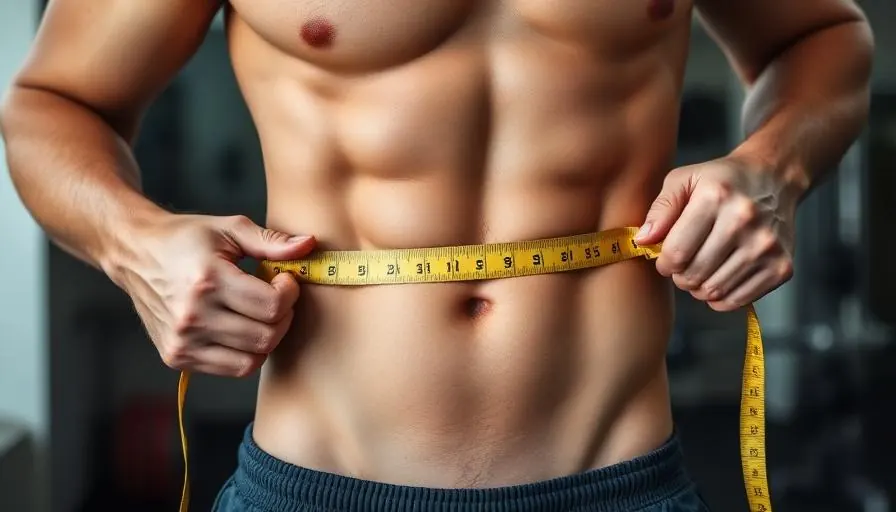
This guide answers: the body-recomposition plan: losing fat while building muscle.
Looking for what body fat percentage is and how to measure it accurately? Read Body Fat Percentage: What It Means and How to Measure It.
Body Recomposition: How to Lose Fat and Build Muscle at the Same Time
Body recomposition is the holy grail of fitness: losing fat while building muscle simultaneously. Learn who it works for, how to do it, and how to track your progress.
Introduction
Can you really lose fat and build muscle at the same time? Yes — it's called body recomposition, and it's the most rewarding transformation in fitness. Instead of watching the scale drop (and losing muscle along the way), you reshape your body from the inside out.
This guide covers who body recomposition works best for, the exact training and nutrition strategies to make it happen, and how to track progress when the scale doesn't tell the full story. For the fundamentals of body fat measurement, start with our guide to measuring body fat percentage.
Key Takeaway
What Is Body Fat Percentage?
Body fat percentage = (fat mass ÷ total body weight) × 100. If you weigh 75 kg and carry 15 kg of fat, your body fat percentage is 20%.
Your body stores two types of fat:
- Essential fat (3–5% men, 10–13% women): Required for survival — protects organs, insulates nerves, enables hormone production. You cannot healthily go below this level.
- Storage fat: Energy reserves beneath your skin (subcutaneous) and around your organs (visceral). This is the fat you can manipulate through diet and exercise.
Why body fat matters more than weight: a 75 kg person at 12% body fat has 66 kg of lean tissue and looks athletic. A 75 kg person at 30% body fat has only 52.5 kg of lean tissue and carries 22.5 kg of fat. Same weight, completely different health profiles.
Healthy Body Fat Ranges by Age and Sex
Men
- Essential fat: 2–5%
- Athletes: 6–13% — competition-ready, defined musculature
- Fitness: 14–17% — visible muscle definition, lean appearance
- Healthy average: 18–24% — no visible abs, but healthy
- Above average: 25%+ — increased health risk
Women
- Essential fat: 10–13%
- Athletes: 14–20% — lean, well-conditioned
- Fitness: 21–24% — toned, active appearance
- Healthy average: 25–31% — normal, healthy range
- Above average: 32%+ — increased health risk
Age matters too: Body fat naturally increases slightly with age as muscle mass declines. A 50-year-old man at 22% body fat is in a different health category than a 25-year-old at the same percentage.
How to Measure Body Fat Accurately
Home Methods
Navy Method (circumference measurements): Uses tape measurements of waist, neck, and hips (women). Accurate within 3–4% when done consistently. It's free, requires no equipment beyond a tape measure, and is the basis of our Body Fat Calculator.
Skinfold calipers: Pinch skin folds at 3–7 sites and measure thickness. Accurate with practice but depends heavily on technique. Many personal trainers offer this service.
Bioelectrical impedance (smart scales): Convenient but heavily affected by hydration, recent meals, and time of day. Best for tracking trends when measured under identical conditions.
Professional Methods
- DEXA scan: Gold standard. Accurate within 1–2%. Shows fat distribution across body regions. Typically $50–150 per scan.
- Hydrostatic weighing: Underwater weighing. Highly accurate but inconvenient.
- Bod Pod: Air displacement. Quick (5 minutes) and accurate.
Also check your fat distribution with the Waist-Hip Ratio Calculator — where you carry fat matters as much as how much you carry.

How to Track and Improve Your Body Fat
Tracking Best Practices
- Measure monthly — not daily. Body fat changes slowly.
- Use the same method, same time, same conditions every time (morning, fasted, post-bathroom).
- Combine with progress photos, strength numbers, and how clothes fit for a complete picture.
- Track lean body mass alongside body fat to ensure you're losing fat, not muscle.
Nutrition for Fat Loss
- Create a moderate calorie deficit of 300–500 calories below your TDEE.
- Prioritize protein at 1.6–2.2 g/kg to preserve muscle during the deficit.
- Balance your macronutrients — don't eliminate carbs or fat entirely.
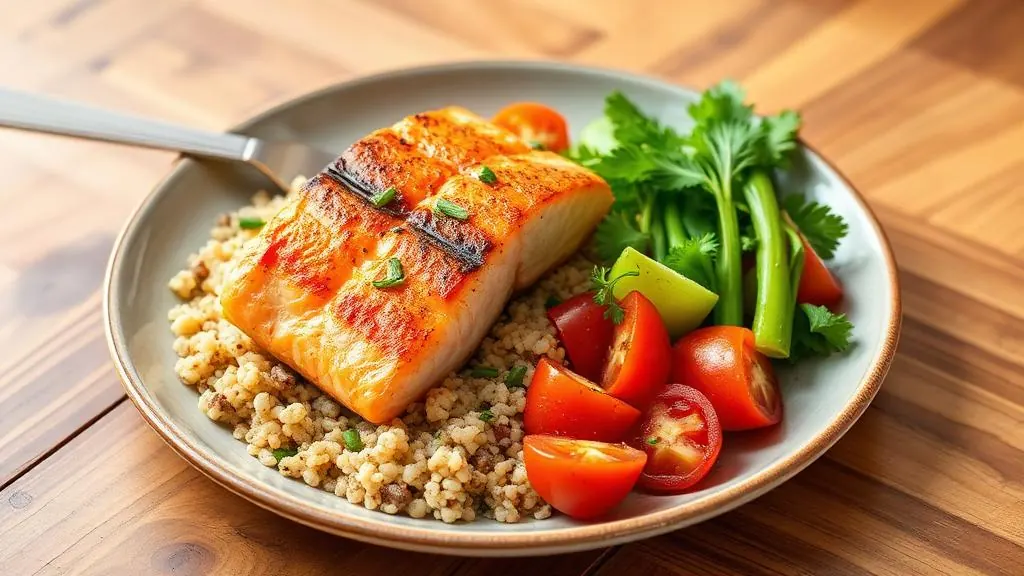
- Eat mostly whole foods: vegetables, lean proteins, complex carbs, healthy fats.
Training for Fat Loss
- Resistance training 3–5 days per week: The non-negotiable. Muscle maintenance signals your body to burn fat instead of muscle during a deficit.
- Add 2–3 cardio sessions: Mix of steady-state and HIIT. Track your burn with our exercise calorie guide.
- Increase NEAT: Walk more. 10,000 daily steps = 300–500 extra calories burned.
Lifestyle Factors
- Sleep 7–9 hours: Sleep deprivation increases ghrelin (hunger) and decreases leptin (satiety).
- Manage stress: Chronically elevated cortisol promotes visceral fat storage.
- Stay hydrated: Dehydration impairs metabolism and exercise performance.

Common Mistakes and Misconceptions
- Believing in spot reduction: You can't lose fat from specific areas by training those areas. Crunches don't burn belly fat — a calorie deficit does.
- Crash dieting: Extreme deficits lose muscle AND fat. Result: you weigh less but have a higher body fat percentage. Counterproductive.
- Cardio-only approach: Without strength training, weight loss includes significant muscle loss, worsening your body composition.
- Obsessing over small fluctuations: Body fat can appear to change 2–3% based on hydration alone. Track monthly trends, not daily numbers.
- Comparing yourself to fitness influencers: Stage-ready physiques (5–8% for men) are temporary, unhealthy to maintain, and often aided by dehydration, lighting, and photo editing.
FAQs and Quick Tips
What's the most accurate home method?
The Navy circumference method, used consistently, tracks trends reliably. Combine with progress photos for the best home assessment.
Can you gain muscle and lose fat simultaneously?
Yes — body recomposition works best for beginners, overweight individuals, and people returning after a break. It requires high protein and resistance training.
How fast can I realistically lose body fat?
0.5–1% per month is realistic and sustainable. That's roughly 0.5 kg of fat per week. Faster losses typically sacrifice muscle.
Does body fat percentage affect hormones?
Yes. Very low body fat (below essential levels) disrupts testosterone in men and menstrual cycles in women. Very high body fat increases estrogen and inflammation.
Is visceral fat worse than subcutaneous fat?
Yes. Visceral fat (around organs) is metabolically active and strongly linked to heart disease, diabetes, and inflammation. The waist-hip ratio helps assess visceral fat risk.
Conclusion and Next Steps
Body fat percentage is the most honest metric for body composition. It cuts through the noise of scale weight and reveals what your body is actually made of. Combined with proper training, nutrition, and patience, you can systematically improve your body composition for lasting health and performance.
- Estimate your body fat with our free Body Fat Calculator
- Check fat distribution using the Waist-Hip Ratio Calculator
- Track your lean mass via the LBM Calculator
- Set calorie targets with the TDEE Calculator
- Measure monthly under consistent conditions and focus on long-term trends
📏 Start with the fundamentals of body fat measurement
Our complete body fat measurement guide covers healthy ranges by age and sex, home vs. professional methods, and what your body fat percentage actually tells you about your health.
📖 Body fat percentage tells part of the story
See how it connects to lean mass, waist-hip ratio, and nutrition in our Ultimate Guide to Body Health Metrics.
Frequently Asked Questions
Related Calculators
Related Articles
Understanding Your BMI and What It Really Means
Your Body Mass Index (BMI) is one of the most commonly used health metrics, but what does it actually tell you? Learn how to interpret your BMI results and understand its limitations.

Body Fat Percentage: What It Means and How to Measure It
Body fat percentage is a more accurate indicator of health than weight alone. Learn what the numbers mean, healthy ranges, and how to measure yours accurately.
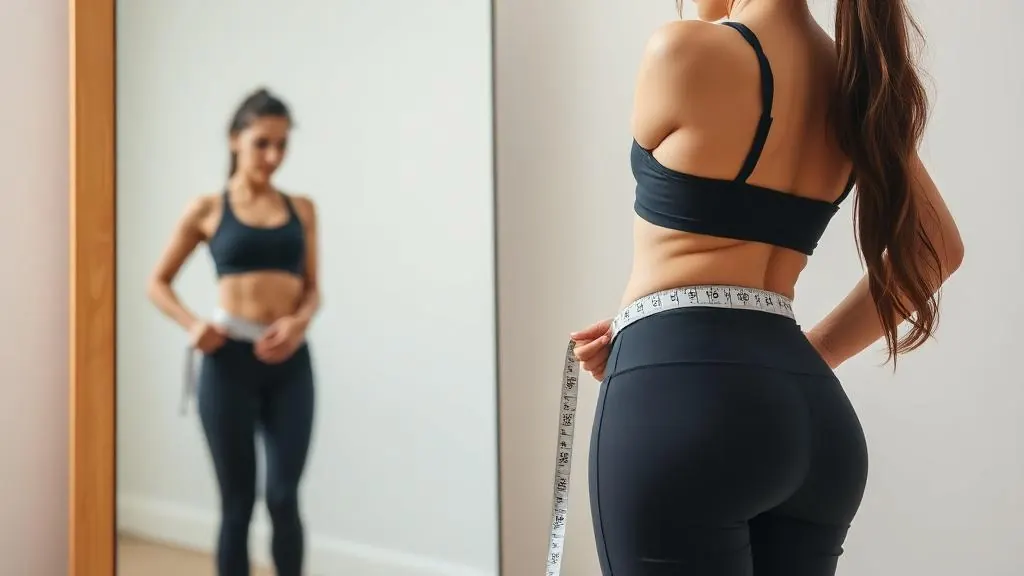
Waist-Hip Ratio: A Key Indicator of Health Risk
Your waist-hip ratio is a powerful predictor of health risks. Learn how this simple measurement can reveal important information about your body fat distribution.