
This guide answers: protein sources, timing and supplements.
Looking for how many grams of protein you need for muscle growth or fat loss? Read Protein for Muscle Growth vs Fat Loss: How Much Do You Need?.
Daily Protein Intake: Best Sources, Timing, and Supplements
Protein is essential for building muscle and supporting recovery. Explore the best sources, learn meal timing strategies, and find the right supplements for your goals.
Why Protein Matters
Protein is the building block of every cell in your body. Your muscles, organs, skin, hair, and immune system all depend on adequate protein intake. Unlike carbohydrates and fat, your body doesn't store protein efficiently, so you need a consistent daily supply.
For anyone exercising regularly, protein becomes even more critical. Resistance training creates microscopic damage to muscle fibers, and protein provides the amino acids needed to repair and strengthen these fibers — the process that builds muscle over time.
Protein also supports weight management. It's the most satiating macronutrient, helping you feel fuller for longer. It has the highest thermic effect of food, meaning your body burns more calories digesting protein than carbs or fat. These factors make adequate protein intake essential for anyone trying to lose fat while maintaining muscle.
How Much Protein Do You Need?
The recommended daily allowance (RDA) of 0.8 grams per kilogram of body weight is the minimum to prevent deficiency — not the optimal amount for most people, especially those who exercise. Research consistently shows higher intakes benefit muscle building, fat loss, and athletic performance.
For general health and light activity, 1.2-1.4 grams per kilogram is a reasonable target. Active individuals doing regular resistance training should aim for 1.6-2.0 grams per kilogram. Athletes in intense training or those trying to build significant muscle may benefit from 2.0-2.4 grams per kilogram.
During a calorie deficit for fat loss, protein needs increase. Higher protein intake (1.8-2.4 g/kg) helps preserve muscle mass while losing fat. This is crucial for maintaining metabolic rate and achieving a lean, toned physique rather than just losing weight.
Calculate your personalized protein needs with our Protein Calculator, which factors in your weight, activity level, and fitness goals.
Key Takeaway
Best Protein Sources
Animal proteins are considered "complete" because they contain all essential amino acids in optimal proportions. Top sources include: chicken breast (31g per 100g), lean beef (26g per 100g), fish like salmon and tuna (25-30g per 100g), eggs (6g each), and Greek yogurt (10g per 100g).
Dairy products offer excellent protein with additional benefits. Whey protein from milk is rapidly absorbed, making it ideal around workouts. Casein, also from milk, digests slowly — perfect before bed for overnight muscle repair.
Quality matters beyond just quantity. Prioritize whole food sources over processed proteins when possible. Vary your sources to get a complete range of amino acids and additional nutrients that come packaged with different protein foods.
Plant-Based Protein Options
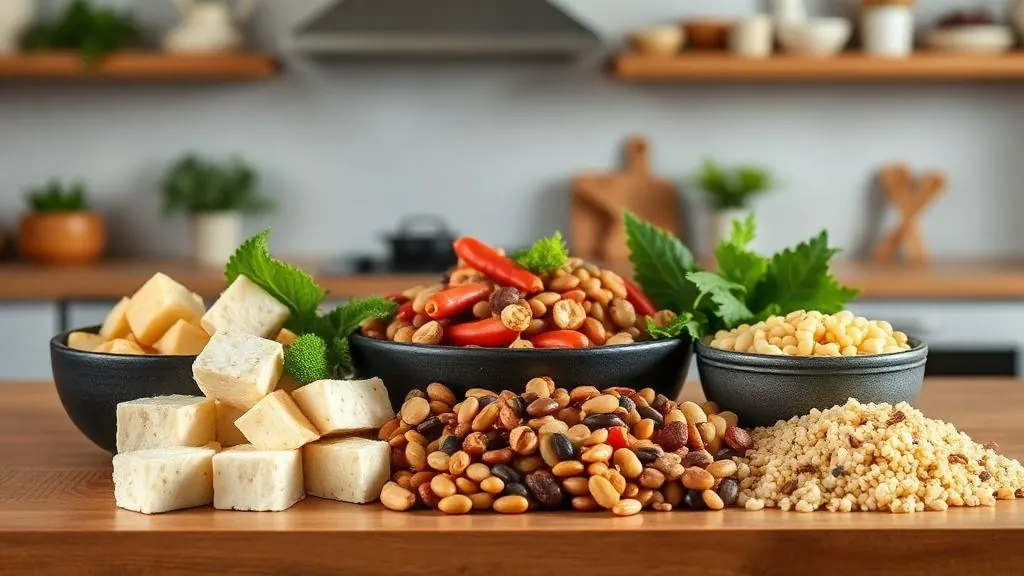
Plant proteins can absolutely support muscle building and health, but require more planning. Most plant sources are "incomplete," lacking one or more essential amino acids. The solution is variety — combining different plant proteins throughout the day.
Top plant protein sources include: tofu and tempeh (8-20g per 100g), lentils (9g per 100g cooked), chickpeas (8g per 100g cooked), edamame (11g per 100g), quinoa (4g per 100g cooked), and seitan (25g per 100g).
Plant-based athletes may need slightly higher total protein intake (10-20% more) to compensate for lower digestibility and amino acid profiles. Focus on leucine-rich plant sources like soy and consider supplementing with plant-based protein powders.
Timing Your Protein Intake
While total daily protein is most important, distribution throughout the day also matters. Aim for 25-40 grams of protein per meal, spread across 3-5 eating occasions. This maximizes muscle protein synthesis responses and prevents any single meal from being wasted.
Post-workout protein is beneficial but not as time-sensitive as once believed. The "anabolic window" extends several hours after training. Having protein within 2-3 hours of your workout is sufficient for most people.
Don't skip breakfast protein. Research shows morning protein intake supports muscle maintenance and helps control appetite throughout the day. Even a simple high-protein breakfast like eggs or Greek yogurt sets a positive tone.

Protein Supplements
Supplements can help meet protein targets when whole foods aren't practical. Whey protein is the gold standard — fast-absorbing, complete, and cost-effective. Whey isolate offers higher protein concentration with less lactose.
Casein protein provides a slow-release option, ideal before bed or between meals. For plant-based options, pea protein and rice protein blends offer complete amino acid profiles.
Remember: supplements supplement — they don't replace — a solid diet. Prioritize whole food proteins for their complete nutritional package, and use supplements strategically to fill gaps.
Building a High-Protein Diet
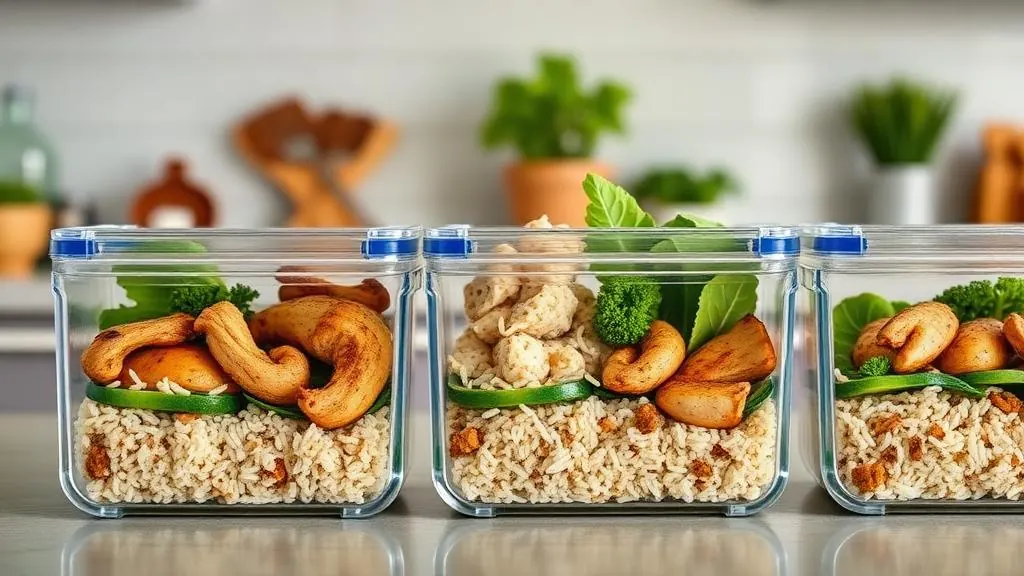
Practical strategies make hitting protein targets easier. Prep protein in bulk — cook chicken breasts, hard-boil eggs, or prepare overnight oats with protein powder for grab-and-go options throughout the week.
Start each meal by choosing your protein source first, then build the rest of the meal around it. This ensures protein doesn't get crowded out by carbs and fats.
Keep high-protein snacks accessible: Greek yogurt, cottage cheese, jerky, protein bars, or nuts. When protein is convenient, you're far more likely to hit your daily targets consistently.
Common Protein Mistakes
Consuming too much protein in one sitting wastes potential muscle-building stimulus. Your body can only use about 40-50 grams per meal effectively. Distribute intake evenly rather than loading up at dinner.
Neglecting protein variety limits your amino acid and micronutrient intake. Rotate between poultry, fish, beef, dairy, and plant sources for optimal nutrition.
Forgetting that protein has calories is a common weight-gain trap. While high-protein diets support fat loss, excess calories from any source — including protein — can lead to weight gain. Track your total intake, not just protein.
Conclusion
Adequate protein intake is non-negotiable for anyone serious about their fitness, body composition, or overall health. Track your Lean Body Mass to see how protein supports your muscle development. While the optimal amount varies based on your goals and activity level, most active people should aim for significantly more than the minimum RDA.
Calculate your personal protein needs, plan your meals around quality protein sources, and distribute your intake throughout the day. Use our Calorie Calculator to ensure you're in the right energy balance for your goals. With this foundation in place, you'll support muscle growth, recovery, and long-term health.
🎯 How much protein for YOUR specific goal?
Our goal-specific protein guide covers exact amounts for muscle building, fat loss, and healthy aging — with evidence-based recommendations by activity level.
📖 Protein needs depend on the full picture
Learn how protein ties into lean mass, TDEE, and body composition in our Ultimate Guide to Body Health Metrics.
Frequently Asked Questions
Related Calculators
Related Articles

How to Calculate Your Daily Calorie Needs (TDEE)
Your TDEE is the total number of calories you burn each day. Understanding this number is crucial for weight loss, muscle gain, or maintaining your current weight.
Macros Made Simple: Protein, Carbs, and Fat Explained
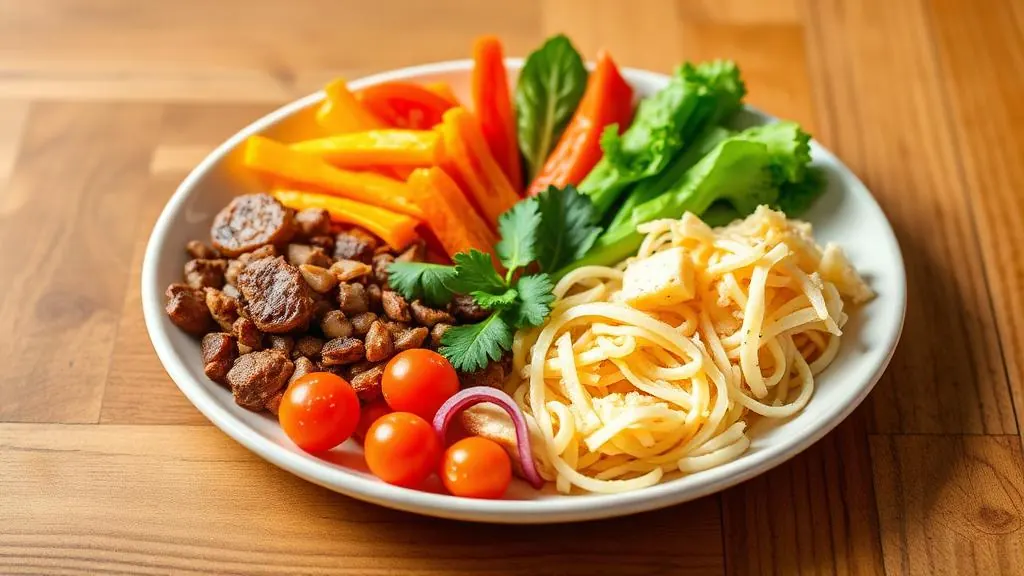
Macronutrients are the building blocks of your diet. Understanding how to balance protein, carbs, and fat can transform your nutrition and help you reach your goals.

TDEE for Weight Loss and Muscle Gain: A Practical Calorie Guide
Knowing your TDEE is step one — using it correctly is what produces results. Learn practical strategies for applying your calorie needs to any body composition goal.