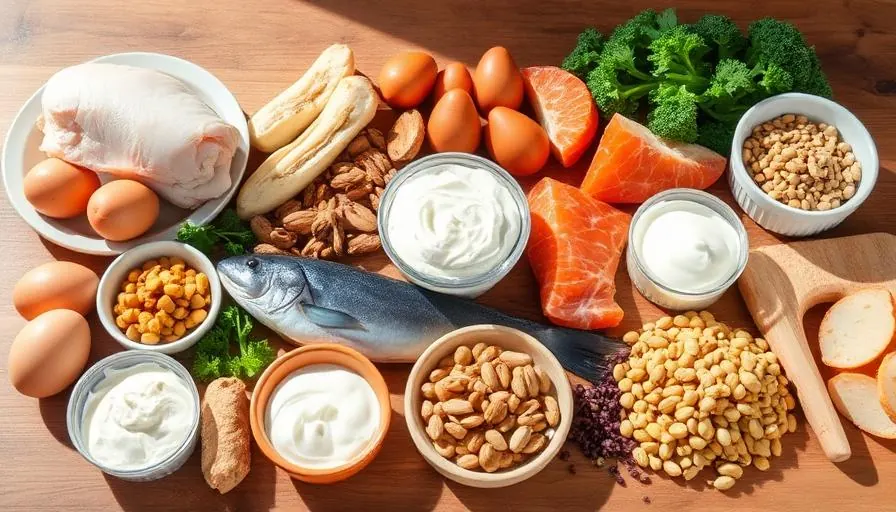
This guide answers: how much protein you need for your specific goal.
Looking for which foods, timing and supplements to get it from? Read Daily Protein Intake: Best Sources, Timing, and Supplements.
Protein for Muscle Growth vs Fat Loss: How Much Do You Need?
Your protein needs change based on your goal. Learn the exact amounts for muscle building, cutting, maintaining, and healthy aging — with science-backed recommendations.
Introduction
How much protein you need depends entirely on what you're trying to achieve. A 25-year-old building muscle needs a very different amount than a 55-year-old preventing age-related muscle loss — and both need more than someone simply maintaining their current physique.
This guide breaks down protein requirements by goal: muscle growth, fat loss, maintenance, and healthy aging. You'll get evidence-based numbers, learn how to calculate based on lean body mass for maximum accuracy, and discover why most people drastically undereat this critical macronutrient. For a deeper dive into protein sources and timing, see our complete protein sources and timing guide.
Key Takeaway
Why Protein Needs Vary by Goal
Protein isn't just for bodybuilders. It's the structural building block of nearly every tissue in your body:
- Muscle repair and growth: After exercise damages muscle fibers, protein provides the amino acids to rebuild them stronger.
- Satiety: Protein is the most filling macronutrient. It reduces hunger hormones and increases peptide YY, helping you eat less without willpower.
- Thermic effect: Your body burns 20–30% of protein calories just digesting it — compared to 5–10% for carbs and 0–3% for fat.
- Muscle preservation during fat loss: In a calorie deficit, adequate protein prevents your body from breaking down muscle for energy.
- Immune function: Antibodies are proteins. Inadequate intake weakens your immune defense.
- Hormone production: Many hormones and enzymes are protein-based.
How Much Protein Do You Need?
The answer depends on your activity level and goals:
- Sedentary adults: 0.8 g per kg of body weight — the minimum to prevent deficiency
- Recreational exercisers: 1.2–1.4 g/kg — supports recovery from moderate activity
- Active individuals / fat loss: 1.6–2.0 g/kg — preserves muscle during a deficit
- Muscle building: 1.6–2.2 g/kg — optimal for maximizing muscle protein synthesis
- Athletes / intense training: 2.0–2.5 g/kg — supports high training volumes
For even greater precision, base your intake on lean body mass rather than total weight. This prevents overestimation for individuals with higher body fat and underestimation for lean athletes.
Best Sources for Each Goal
For Muscle Building — Maximize Leucine
- Whey protein: Highest leucine content, fast-absorbing — ideal post-workout
- Chicken breast: 31 g per 100 g — lean, versatile, cost-effective
- Eggs: 13 g per 2 eggs — complete amino acid profile with healthy fats
- Lean beef: 26 g per 100 g — rich in creatine and iron
For Fat Loss — Maximum Protein per Calorie
- Egg whites: Nearly pure protein with minimal calories
- Fat-free Greek yogurt: 10 g per 100 g — filling and protein-dense
- White fish (cod, tilapia): 20+ g per 100 g — ultra-lean
- Chicken breast: Best protein-to-calorie ratio among whole foods
For Plant-Based Athletes
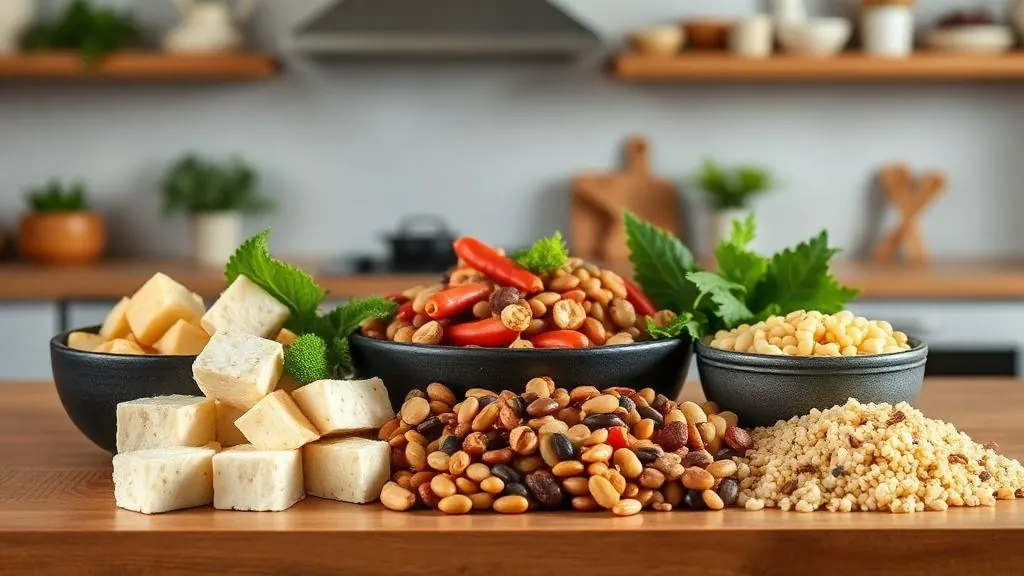
- Tofu: 8 g per 100 g — complete protein, versatile
- Lentils + quinoa: Combined for complete amino acids
- Pea protein powder: 21 g per scoop — excellent plant supplement
Balance protein with carbs and fat using our macros guide.
Protein Strategy for Muscle Growth
Building muscle requires not just adequate protein, but the right distribution and timing. Aim for 25–40 g per meal across 4–5 meals to maximize muscle protein synthesis (MPS). Each meal triggers a new MPS response lasting 3–5 hours.
Post-workout: consume 20–40 g within 2 hours. Pre-bed: 30–40 g of slow-digesting protein (casein, Greek yogurt) supports overnight repair. Combine with a modest calorie surplus of 200–500 calories for optimal muscle growth.
Protein Strategy During Fat Loss
During a calorie deficit, protein becomes even more critical. Increase intake to 1.8–2.4 g/kg to prevent muscle loss. Focus on lean, high-protein foods that maximize protein per calorie: chicken breast, egg whites, fat-free dairy, and white fish.
Higher protein during cutting also increases satiety, reduces cravings, and maintains metabolic rate. Track your lean body mass monthly to ensure you're losing fat, not muscle.
Protein for Healthy Aging
After age 50, muscle protein synthesis becomes less efficient — a phenomenon called anabolic resistance. This means older adults need more protein per meal to trigger the same MPS response as younger individuals. Target 1.2–1.6 g/kg daily, with 30–40 g per meal.
Regular resistance training combined with adequate protein is the single most effective strategy against sarcopenia (age-related muscle loss). It's never too late to start.
- Protein at every meal. Make it the first thing you plan on your plate. Everything else works around it.
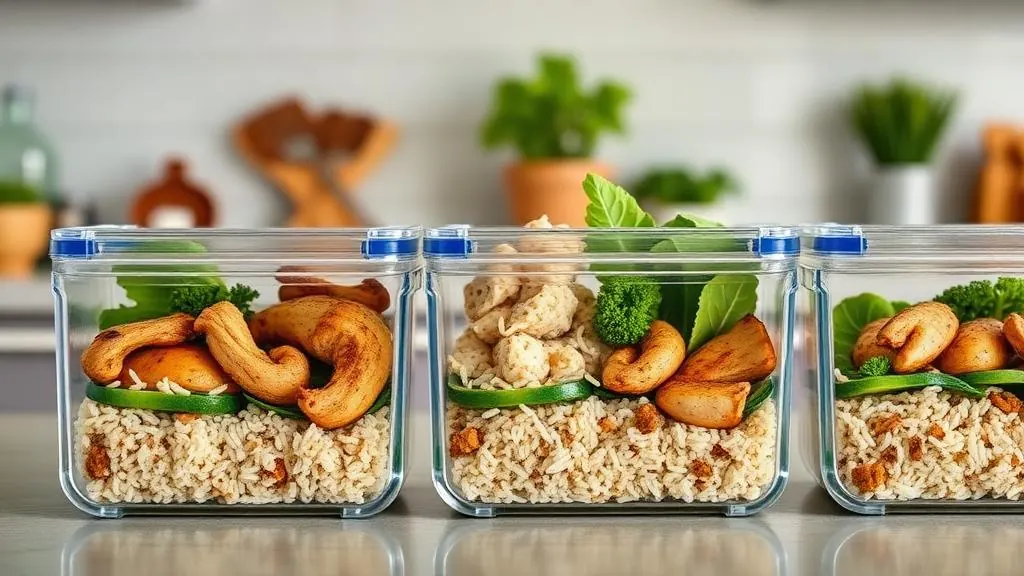
- Prep protein in bulk. Cook chicken, eggs, or lentils on Sunday for the week. Having protein ready removes daily friction.
- Use high-protein snacks. Greek yogurt, jerky, protein bars, cottage cheese, or a protein shake between meals.
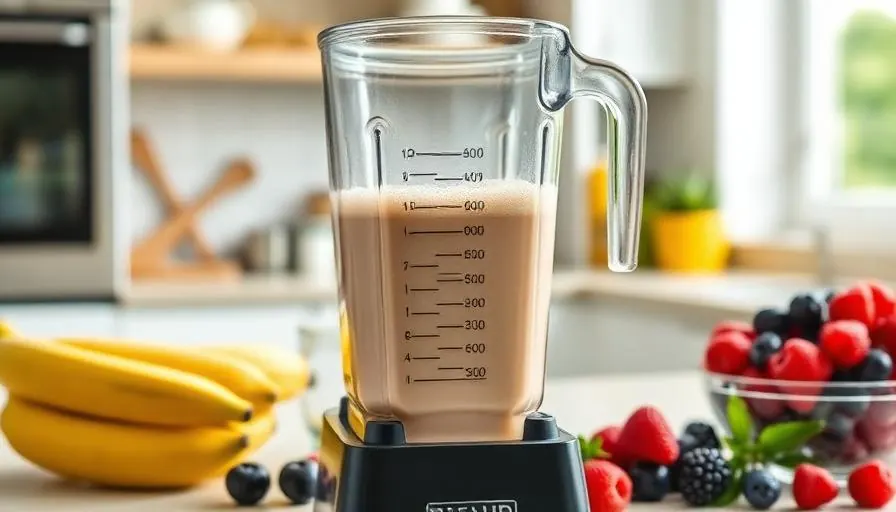
- Upgrade existing meals. Add eggs to breakfast, chicken to salad, Greek yogurt to smoothies. Small additions compound.
- Track for 2 weeks. Use an app to log intake. Most people discover they eat 30–50% less protein than they thought.
Common Mistakes and Misconceptions
- "Too much protein damages kidneys": No evidence supports this in healthy individuals. Those with pre-existing kidney disease should consult a doctor, but healthy kidneys handle high protein intake without issue.
- Relying on one protein source: Variety ensures a complete amino acid profile and provides different micronutrients.
- Thinking protein shakes are necessary: Shakes are convenient, not superior. Whole food protein is equally effective and often more satiating.
- Eating all protein in one meal: Your body can use more than 30 g per meal, but distributing intake across meals optimizes MPS throughout the day.
- Ignoring calories: Protein has 4 calories per gram. It counts toward your daily calorie budget. High-protein foods that are also high in fat (cheese, fatty meats) add up quickly.
FAQs and Quick Tips
Can I build muscle on a plant-based diet?
Absolutely. Combine legumes with grains for complete amino acid profiles. Aim for slightly higher total protein (10–15% more) to account for lower digestibility.
Is there a maximum useful amount per meal?
Recent research suggests the body can use more than the old "30 g limit" — up to 40–50 g per meal benefits MPS. But spreading intake across meals is still optimal.
Do I need protein immediately after a workout?
Within 2 hours is fine. The "30-minute window" is largely a myth. Total daily intake matters far more than precise post-workout timing.
How do I get enough protein while cutting calories?
Focus on lean, high-protein foods: chicken breast, egg whites, fat-free Greek yogurt, white fish. These provide maximum protein per calorie.
Should older adults eat more protein?
Yes. Muscle protein synthesis becomes less efficient with age (anabolic resistance). Adults over 50 should aim for at least 1.2–1.6 g/kg to combat sarcopenia.
Conclusion and Next Steps
Protein is the single most important macronutrient for body composition, satiety, and recovery. Getting it right — both the amount and the distribution — can transform your results whether you're building muscle, losing fat, or simply maintaining health.
- Calculate your target with our Protein Calculator
- Set your full macro plan using the Macro Calculator
- Know your calorie budget via the TDEE Calculator
- Track your lean mass with the LBM Calculator
- Include protein at every meal and track intake for 2 weeks
🥩 Deep dive into protein sources and timing
Our complete protein guide covers the best food sources, meal timing strategies, and how to distribute protein throughout the day for optimal absorption.
📖 Protein is one key piece of the puzzle
Understand how it fits with TDEE, lean mass, and body fat in our Ultimate Guide to Body Health Metrics.
Frequently Asked Questions
Related Calculators
Related Articles

How to Calculate Your Daily Calorie Needs (TDEE)
Your TDEE is the total number of calories you burn each day. Understanding this number is crucial for weight loss, muscle gain, or maintaining your current weight.
Macros Made Simple: Protein, Carbs, and Fat Explained
Macronutrients are the building blocks of your diet. Understanding how to balance protein, carbs, and fat can transform your nutrition and help you reach your goals.

Daily Protein Intake: Best Sources, Timing, and Supplements
Protein is essential for building muscle and supporting recovery. Explore the best sources, learn meal timing strategies, and find the right supplements for your goals.