Daily Water Intake: The Complete Hydration Guide
Proper hydration is essential for every bodily function. Discover how to calculate your ideal water intake and build habits that keep you optimally hydrated.
Introduction
Water makes up about 60% of your body weight, yet most people don't drink enough of it. Chronic mild dehydration is surprisingly common — and its effects go far beyond feeling thirsty. From brain fog and fatigue to impaired workout performance and slower metabolism, inadequate hydration silently undermines your health.
In this guide, you'll learn exactly how much water your body needs based on your weight, activity level, and climate. You'll discover practical strategies to stay hydrated without obsessing over it, learn which foods boost your intake naturally, and understand the signs your body gives when it needs more fluids. Let's dive in.
Key Takeaway
Why Hydration Matters
When you're properly hydrated, your body functions like a well-oiled machine. Even mild dehydration — as little as 2% fluid loss — can impair exercise performance, increase fatigue, and reduce endurance. Athletes notice this first, but the effects extend to everyone.
Your brain is particularly sensitive to hydration status. Research shows that dehydration affects mood, concentration, and working memory. That afternoon slump might not be from lack of sleep — it could simply be that you haven't had enough water.
Beyond performance, water plays critical roles throughout your body:
- Digestion: Breaks down food and prevents constipation
- Joint health: Lubricates joints through synovial fluid
- Temperature regulation: Controls body heat through sweating
- Kidney function: Flushes toxins and prevents kidney stones
- Metabolism: Supports metabolic processes — understanding your TDEE helps you see how hydration fuels your active lifestyle
- Skin health: Maintains skin elasticity and appearance
How Much Water Do You Actually Need?
The classic "8 glasses a day" rule has been repeated so often that most people accept it as fact. While it's a reasonable starting point, the truth is more nuanced. Your actual water needs depend on who you are and how you live.
A practical, personalized baseline is 30–35 ml per kilogram of body weight daily. Here's what that looks like:
- 60 kg person: 1.8–2.1 liters per day
- 70 kg person: 2.1–2.5 liters per day
- 80 kg person: 2.4–2.8 liters per day
- 90 kg person: 2.7–3.2 liters per day
These are baseline estimates. Physical activity, climate, and other factors can increase your needs significantly.
Factors That Affect Your Water Needs
Several factors can push your water needs well above the baseline:
Physical activity dramatically increases your needs. During exercise, you lose fluid through sweat — anywhere from 500 ml to over a liter per hour depending on intensity and conditions. Track your exercise intensity with our calorie burn guide to estimate hydration needs. A good rule: drink an extra 400–600 ml for every 30 minutes of intense exercise.
Climate and altitude matter significantly. Hot, humid weather increases perspiration, while higher altitudes increase water loss through faster respiration. In hot climates, you may need 50% more water than your baseline.
Diet composition plays a role too. High-protein diets (common when building lean body mass) require more water for protein metabolism. High-sodium foods increase water needs as well. Conversely, diets rich in fruits and vegetables contribute significant water through food.
Health conditions including pregnancy, breastfeeding, fever, diarrhea, and certain medications also increase fluid requirements. If any of these apply, err on the side of drinking more.
Recognizing Dehydration
Your body gives clear signals when it needs more water, but thirst is actually a late indicator — by the time you feel thirsty, you're already mildly dehydrated. Learning to recognize earlier signs helps you stay ahead.
Early Signs
- Dark yellow urine (should be pale yellow, like lemonade)
- Dry mouth and lips
- Unexplained fatigue or low energy
- Headaches that seem to come from nowhere
- Decreased urination frequency
Advanced Signs
- Dizziness or lightheadedness
- Rapid heartbeat
- Confusion or difficulty concentrating
- Dry, cool skin
- Muscle cramps during exercise
Building Better Hydration Habits
The key to staying hydrated isn't willpower — it's building systems that make drinking water automatic:
- Start your day with water. After 6–8 hours of sleep, your body is naturally dehydrated. A full glass of water before anything else jumpstarts your metabolism and alertness.
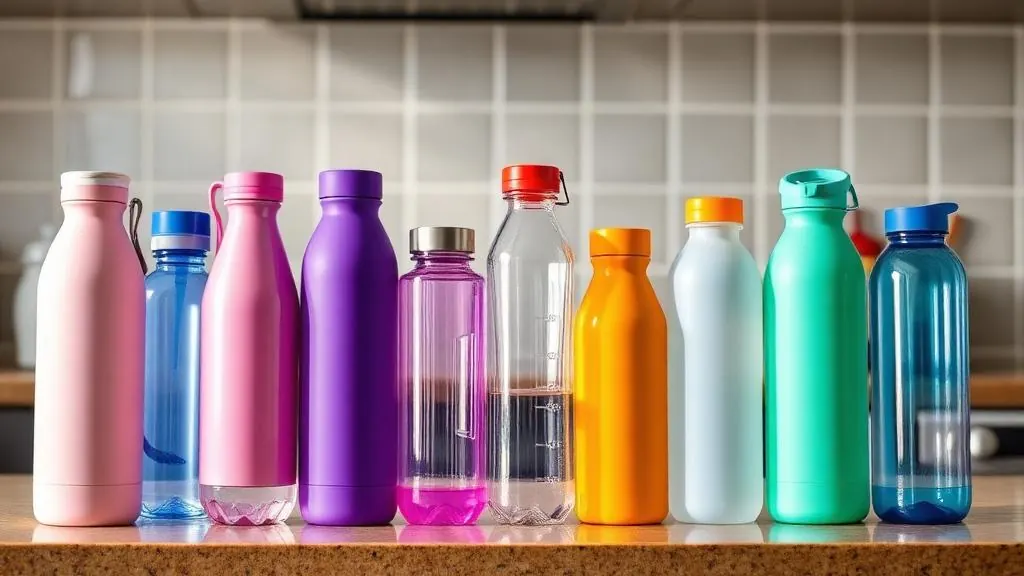
- Keep water visible. A water bottle on your desk, in your bag, and by your bed. When water is within arm's reach, you'll drink more without thinking. Bottles with time markings help pace intake throughout the day.
- Drink before meals. A glass of water 20–30 minutes before eating aids digestion and can help with portion control — you'll naturally eat less.
- Flavor naturally. If plain water bores you, add slices of lemon, cucumber, or fresh mint. Sparkling water counts too, as long as it's not loaded with sodium or sweeteners.
- Match diuretics with water. For every cup of coffee or alcoholic drink, have a glass of water. Both increase fluid loss, so this maintains your hydration balance.
- Set reminders. Use your phone or a hydration app to prompt you every hour until the habit becomes automatic.
Foods That Help You Hydrate
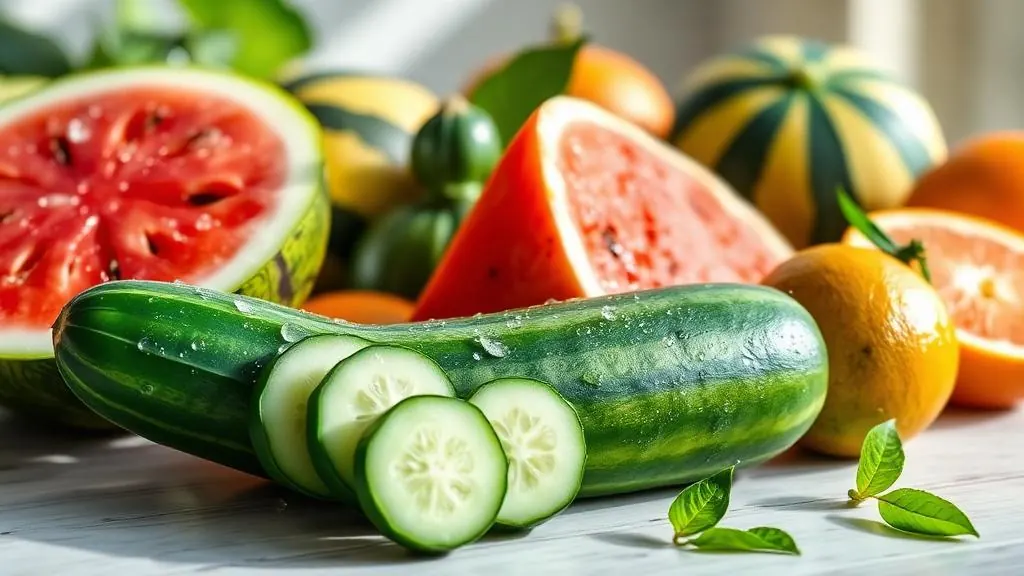
About 20% of your daily water intake typically comes from food. Certain fruits and vegetables are particularly hydrating:
- Cucumber: 96% water — the most hydrating food
- Lettuce and celery: ~95% water
- Watermelon: 92% water — perfect summer snack
- Strawberries: 91% water
- Oranges: 87% water, plus vitamin C
- Yogurt: ~85% water, plus protein and probiotics
- Tomatoes: 94% water
- Bell peppers: 92% water
Incorporating these foods into your meals provides hydration along with nutrients, fiber, and other health benefits. It's a delicious way to support your water intake without constantly drinking from a bottle. These foods also complement a balanced macro plan.
Common Mistakes and Misconceptions
- Waiting until you're thirsty: Thirst means you're already dehydrated. Drink proactively throughout the day.
- Believing coffee dehydrates you: Moderate coffee consumption (3–4 cups) actually contributes to hydration. The water content more than compensates for caffeine's mild diuretic effect.
- Drinking too much at once: Chugging a liter of water doesn't compensate for hours of not drinking. Your body absorbs water better in smaller, frequent amounts.
- Ignoring electrolytes: During prolonged exercise (60+ minutes) or heavy sweating, you lose sodium, potassium, and other electrolytes. Water alone doesn't replace them — consider electrolyte drinks or foods.
- Thinking more is always better: Excessive water intake can cause hyponatremia (dangerously low blood sodium). Stick to reasonable amounts — most healthy people can safely drink up to 1 liter per hour during exercise.
FAQs and Quick Tips
Is 8 glasses of water a day enough?
It's a rough estimate. Actual needs vary by body size, activity, and climate. A better guideline is 30–35 ml per kg of body weight, adjusted for activity and heat.
Does sparkling water count?
Yes! Plain sparkling water hydrates just as well as still water. Avoid varieties with added sugar or excessive sodium.
Can you drink too much water?
Yes, but it's rare. Hyponatremia typically only occurs during extreme endurance events with excessive water and no electrolyte replacement.
Does water help with weight loss?
Indirectly, yes. Water boosts metabolism slightly, reduces appetite when consumed before meals, and replaces caloric beverages. Combined with a proper calorie deficit, it supports your weight loss efforts.
What about sports drinks?
For most workouts under 60 minutes, plain water is sufficient. Sports drinks are beneficial during prolonged intense exercise when you need electrolyte and carbohydrate replacement.
Conclusion and Next Steps
Proper hydration is one of the simplest yet most impactful things you can do for your health. The effects ripple through every system — from energy levels and mental clarity to digestion and joint comfort.
The key isn't obsessing over exact milliliters. It's about building habits that make adequate hydration natural. Here's your action plan:
- Calculate your water target using our free Water Intake Calculator
- Start your morning with a full glass of water before coffee or food
- Keep water visible — desk, bag, bedside
- Eat water-rich foods — cucumbers, watermelon, strawberries
- Track your exercise with the Calorie Burn Calculator and add extra water for workouts
Once hydration habits become automatic, you'll feel the difference without counting glasses. Ready to find your optimal intake?
📖 Hydration is one part of the equation
Explore how water intake connects to TDEE, exercise, and overall health in our Ultimate Guide to Body Health Metrics.
Frequently Asked Questions
Related Calculators
Related Articles
Understanding Your BMI and What It Really Means
Your Body Mass Index (BMI) is one of the most commonly used health metrics, but what does it actually tell you? Learn how to interpret your BMI results and understand its limitations.
How to Calculate Your Daily Calorie Needs (TDEE)
Your TDEE is the total number of calories you burn each day. Understanding this number is crucial for weight loss, muscle gain, or maintaining your current weight.

Body Fat Percentage: What It Means and How to Measure It
Body fat percentage is a more accurate indicator of health than weight alone. Learn what the numbers mean, healthy ranges, and how to measure yours accurately.